Harnessing Solar Energy for Sustainable Construction Projects in Uganda
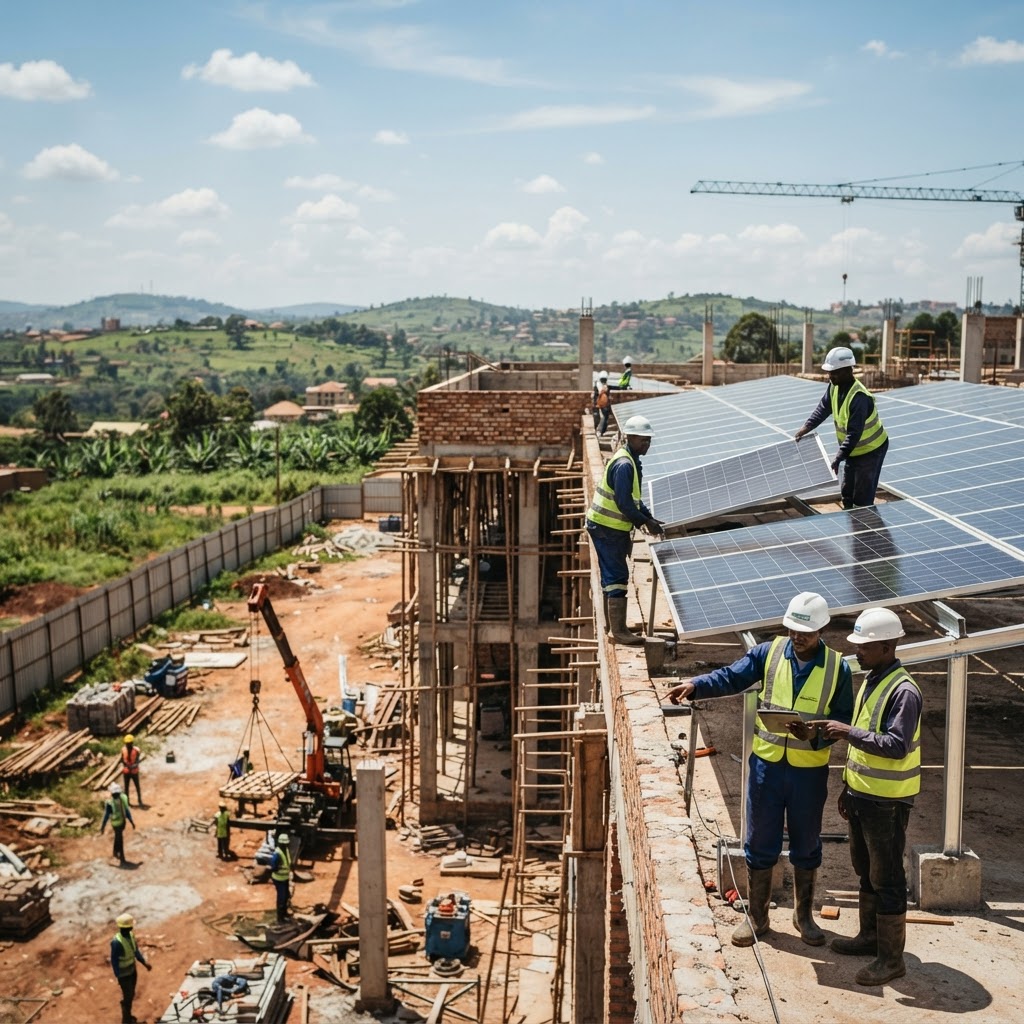
As Uganda moves toward a greener future, solar energy integration is becoming a critical competitive advantage for developers and property owners.
The Solar Revolution in Uganda's Construction Sector
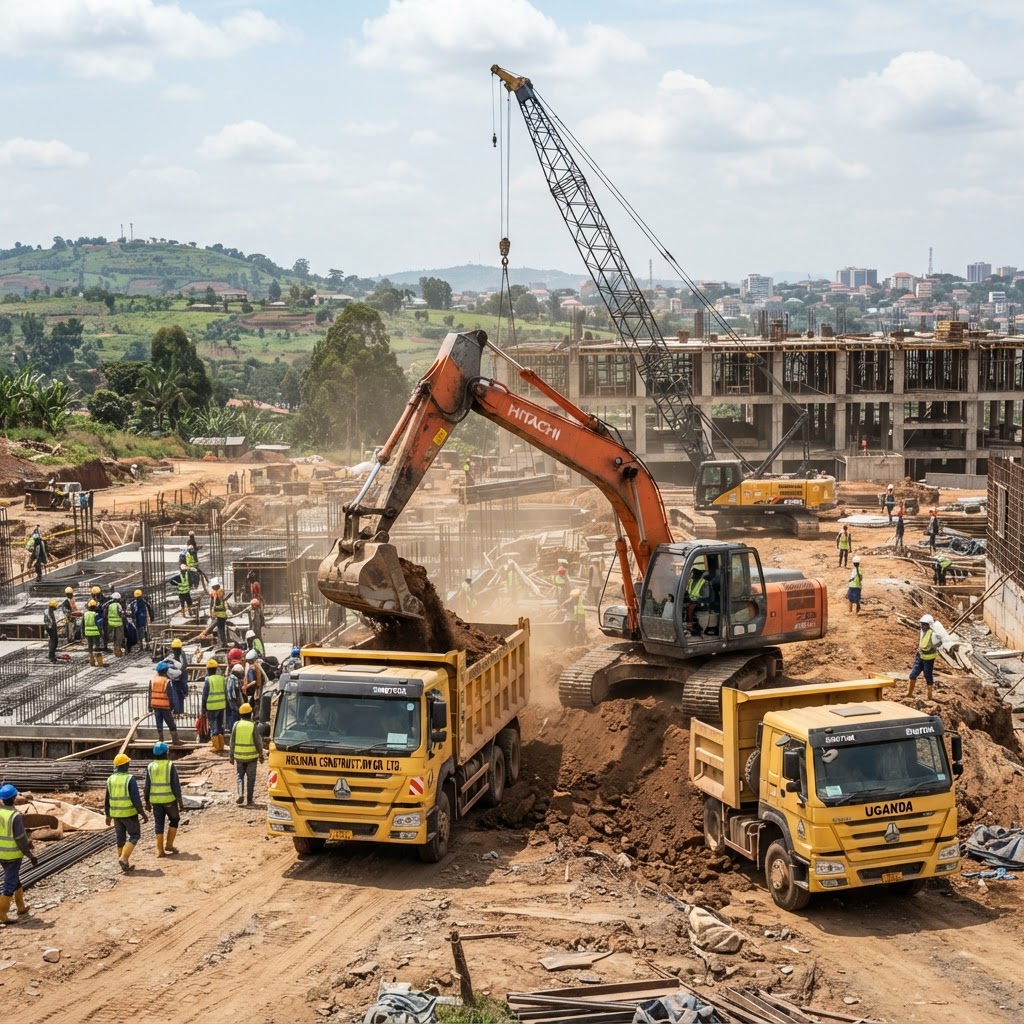
As the Ugandan construction industry experiences rapid growth, the demand for reliable and sustainable power sources has never been more pressing. With the country's abundant solar resource potential, integrating photovoltaic (PV) systems into new residential and commercial developments is no longer merely an environmental statement; it is a sound financial strategy. For architects, developers, and property owners, solar energy represents a pathway to long-term energy independence in an market often hindered by grid instability.
Why Solar Integration Makes Economic Sense
For investors and property developers, the initial capital expenditure for solar installation is increasingly offset by significantly lower operational costs. In urban centres like Kampala, where electricity tariffs and occasional load shedding affect business continuity, having a robust solar backup system adds significant value to property portfolios. Furthermore, buildings equipped with renewable energy solutions often command higher rental yields and sale prices, appealing to the growing demographic of environmentally conscious tenants and diaspora investors.
Technical Considerations for Contractors and Engineers
When incorporating solar energy into your construction projects, collaboration between structural engineers and solar installers is vital. Consider these key factors:
- Roof Integrity and Orientation: Ensure that the roof structure can accommodate the dead load of solar panels. Ideally, buildings should be designed with north-south orientation to maximise solar exposure throughout the day.
- System Sizing: Engage a certified professional to assess the specific energy load of the facility. Over-sizing leads to unnecessary costs, while under-sizing defeats the purpose of the investment.
- Hybrid vs. Off-grid: Decide between a grid-tied system, which allows for net metering or selling back to the grid, and a standalone off-grid system with battery storage, which provides full independence.
- Quality Standards: Use only high-grade panels and lithium-ion batteries that are rated for Uganda's tropical climate to ensure longevity and safety.
Building a Greener Future
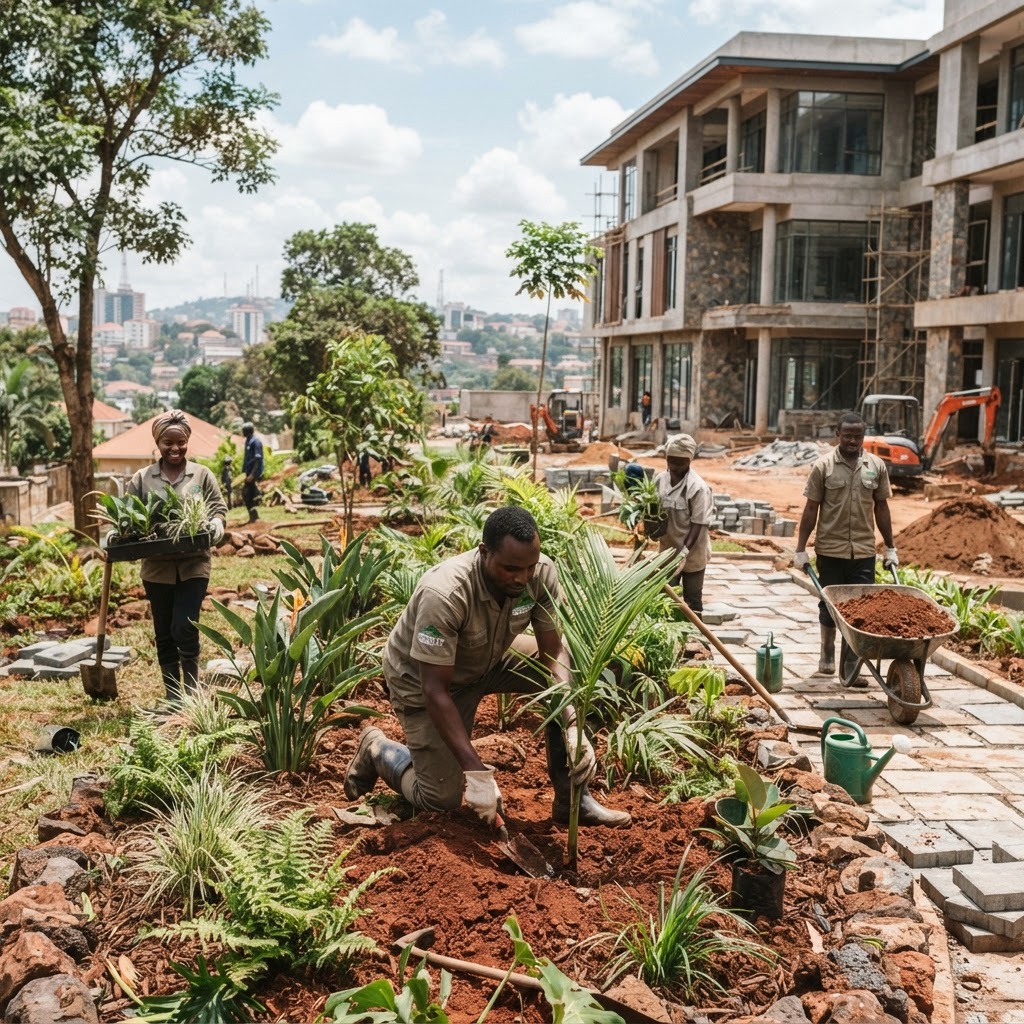
The transition toward solar-integrated construction is an opportunity for local tradesmen and suppliers to upskill and diversify. As the demand for skilled solar technicians increases, those who obtain certification and demonstrate expertise will find themselves at the forefront of this industry shift. Whether you are constructing a high-rise office block or an off-grid residential estate, planning for solar infrastructure at the architectural design stage significantly reduces installation costs compared to retrofitting.
Actionable Steps for Stakeholders
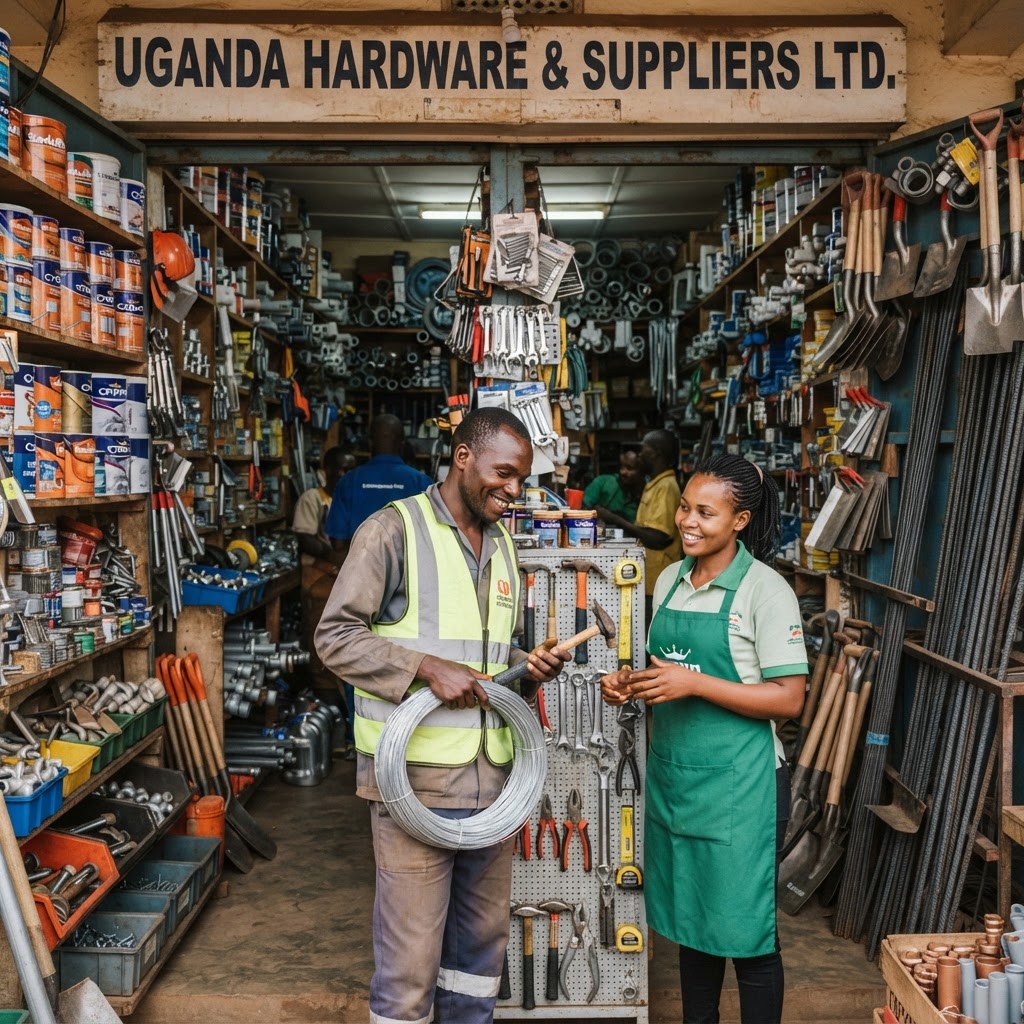
For contractors and developers, the key is to source reliable equipment and professional installation services to avoid common pitfalls such as system failures or inefficient battery management. If you are looking to source high-quality solar components, find professional installers, or identify suppliers who stock energy-efficient building materials, Uganda CIS serves as your central hub. Our platform connects you with verified local tradesmen and businesses ready to support your next project. We invite you to visit uganda-cis.com/register to create your business profile, browse our comprehensive list of suppliers at uganda-cis.com/suppliers, or submit an enquiry at uganda-cis.com/enquiry to get competitive quotations for your upcoming developments.
More Articles